USBCvsHDM_20220923-145104_1.jpg

Will USB-C Eventually Replace HDMI Cables?

USBCvsHDM_20220923-145104_1.jpg

The next time you’re near a desktop, take a peek at the back where the motherboard’s various ports offer the opportunity to connect to different cable types. Many of these cables have overlapping functions—like the capabilities of USB and HDMI. Having said that, however, one of these cables will probably outlast its contemporary.

Let’s examine what differentiates these cables and consider which of them is more likely to last.

What Separates USB from HDMI?

Beyond the visually obvious differences between these cables, there are a few things that set them apart in terms of their functionality.

USB-C

From the very beginning, the Universal Serial Bus cable was meant to be, well, universal…and USB-C is the next step towards this goal. First developed in the 1990s, USB was meant to simplify plugging in assorted hardware. USB-C can be used to transfer data, power, video, and audio signals between devices in either direction. Perhaps most appealingly, USB-C can be plugged in either way, which other USB types quite frustratingly couldn’t be.

HDMI

High-Definition Multimedia Interface cables have a more specific purpose, designed to transmit uncompressed A/V data from one device to another. First becoming available to consumers in the early 2000s, HDMI helped to reduce the cables necessary by sharing both audio and video data. Furthermore, less data quality is lost through the uncompressed HDMI cables.

While Both Work, Chances are That USB-C Will Ultimately Phase Out HDMI

And, at some point after that, the next thing will phase out USB-C (but more on that later).

HDMI has been around for about three decades or so at this point, while USB-C is simply the next step in the progression that USB was designed to follow in creating a universal (hence, universal serial bus) cable to replace every other cable type. This is why USB-C can transfer more data and more power than the USB cables that came before it.

This will take a long time to come to fruition… and that’s assuming that something else doesn’t come about to replace USB-C first.

We’re Here to Help Your Business Make the Most of Its Technology

Regardless of what the future may hold, we’re here to ensure that you have the IT you need to maintain your business’ productive operations. Learn more by giving us a call at 810.230.9455 today.

documentManagement_480004182_400.jpg

File Access and Security Improves with Document Management
documentManagement_480004182_400.jpg

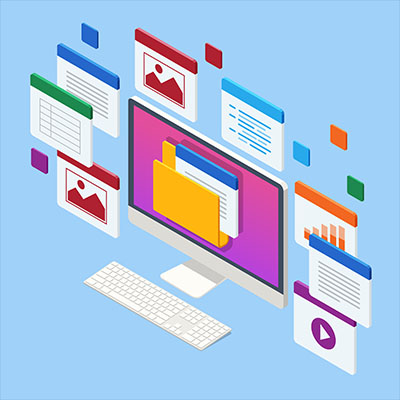
When it comes to storing your business’ documents, you have a couple of options available to you. Some professionals enjoy the chaos of having documents strewn about their office, while others prefer the organization that a system of filing cabinets can bring with it. However, both of these options pale in comparison to the document management system, a technological innovation that could allow your organization to go paperless and improve efficiency in ways you might not have guessed.

What is a Document Management System?

A document management system is essentially a repository of your business’ documents that are stored in a searchable database. Since the files are stored in a digital space rather than a physical one, there are many benefits to using a document management system that you simply don’t get with filing cabinets or folders. Consider how much space a filing cabinet takes up—physically—in the workplace. You might have rooms filled with paper documents, and even when they are stored in an organized way, digging one out whenever it’s needed is a time-consuming task. Plus, printing out documents is horrible for both the environment and your printing costs.

Using a document management system makes your documents more accessible, more secure, and more redundant. There is simply no reason not to use one.

Easy Access and Sharing Capabilities

Since your documents will be stored in the cloud, you can easily access them on approved devices and share them with your coworkers as needed. It certainly beats digging through a filing cabinet and making copies of the documents, right?

Secure Storage and Archiving

Paper documents are not secure, period. They can be lost—or worse, stolen—quite easily. It’s more difficult to lose digital files, and even more impressive is the ability to securely store them in encrypted databases. It’s one thing for a criminal to take a pair of bolt cutters to a locked filing cabinet, but another entirely for them to crack military-grade encryption on your database.

Disaster-Proof with Data Backup Systems

Imagine your office building was to catch fire, including the room where you keep your filing cabinets. They likely won’t survive the disaster, leaving you high and dry. While a digital document management system does come with its fair share of challenges related to disasters, like cybersecurity and hacking attacks, data is much easier to back up than, say, five filing cabinets filled with paper documents.

Get Started with Document Management Systems Today!

NuTech Services can equip your business with a document management system that aids your organization’s efforts at going paperless while making your documents more accessible than ever before. You’ll find that the enhanced productivity gleaned from your document management systems will make all the difference.

To learn more and get started with document management systems today, contact us at 810.230.9455.

overcomeChallenge_215804358_400.jpg

Prevalent IT Challenges You Need to Consider

overcomeChallenge_215804358_400.jpg

Managing business technology is a challenge that many small businesses have difficulty overcoming, and this is largely in part due to the fact that managing technology is not the focus of these small businesses. The inability to overcome IT challenges can hold businesses back that otherwise would flourish. Let’s discuss some of the biggest issues that companies have for IT and how they could potentially be addressed.

Digital Transformation is Here to Stay

The pandemic forced the hands of businesses all over the world, forcing them to adopt new technology solutions in response to the rapidly changing global situation. There are no signs which indicate that this digital transformation is slowing down, as businesses are more focused than ever on optimizing their processes with what was previously seen as a taboo working environment, i.e. remote technology.

Cybersecurity is More Important Than Ever

You can’t go on the Internet or turn on the news without seeing a new devastating cyberattack against a major business or government entity. A 2022 study from Evanta found that cybersecurity is the number one priority for CIOs, and considering the number of remote and hybrid workers out there, we’re not surprised.

Taking Full Advantage of the Cloud

The cloud is the second largest growing spending category for businesses, at least according to the Evanta study; 54 percent of businesses are investing in cloud solutions. Businesses want the freedom and agility that comes with cloud infrastructure, making it one of the highest priorities and biggest challenges facing organizations today.

Supply Chain Problems Linger

Hardware and other technical components are harder than ever to get, particularly because of disrupted supply chains as a result of the pandemic and conflict between Russia and Ukraine. We like to recommend that businesses plan ahead with their technology acquisition by planning out a hardware refresh cycle and IT roadmap.

Talent Acquisition is Difficult

Paying to hire in-house IT workers can be expensive, especially if you want IT workers who know what they are doing and have the skills required to keep your business technology running. Unfortunately, many small businesses don’t have the resources to pay top dollar for IT talent.

Managed Services Can Solve a Lot of These Issues

The closest thing you can get to a silver bullet for all of your technology problems is to work with a managed service provider like NuTech Services. Our trusted technicians have the know-how to help your organization overcome any technology-related obstacle, from technology acquisition to management to maintenance and beyond. To learn more about what we can do for your business, contact us at 810.230.9455 today.

476051890_tech_support_400.jpg

Technology Support is Crucial when IT is Everywhere
476051890_tech_support_400.jpg

Most things in your office depend on technology in some way. That’s just the simple fact of life these days. Let’s examine just how much of your business depends on the technology that powers it and how companies increasingly depend on IT to manage the countless devices that have permeated the office environment.

IT Makes the Workday Go Round

Let’s start from the beginning. After grabbing your morning cup of coffee, you sit down in front of your computer and power it on.

Yes, that is in the realm of IT.

While most of your workday will be spent sticking to your job description, i.e. what you were hired to do for the business, the way that you go about this work will likely include some kind of technology tools.

Those are also IT.

Following a busy and successful workday, you might need to submit a timesheet for review and for payroll.

This is also IT.

A shocking amount of your business’ operations and workflows depend on functional technology solutions, so we ask you now, how well is your IT infrastructure managed?

Make Sure You Are Taking Care of Your Important Technology Assets

Since your business relies on IT to get the job done, it’s incredibly important that you manage it appropriately. NuTech Services can help you make the most of your solutions. To learn more, reach out to us at 810.230.9455.

PointOfSaleSystem_287592925_400.jpg

The Modern Point of Sale System Can Bring Massive Benefits
PointOfSaleSystem_287592925_400.jpg

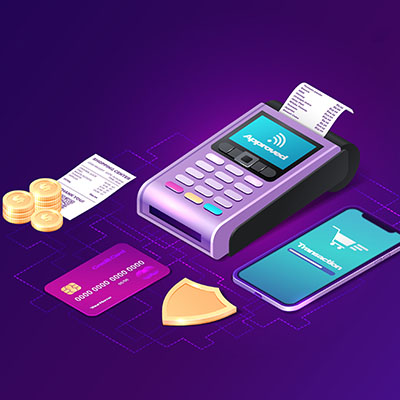
Many businesses make their profits from selling products, goods, or services to their consumer base, requiring that they have a way to process these transactions in place. The point of sale system is a business’ preferred method of handling these transactions, especially in retail. How can you know which features you might need for a point of sale system?

Explaining Your Point of Sale System

Simply put, a point of sale system is a combination of hardware and software that works together to give you a solution for managing your sales. For example, the standard cash register could be considered a point of sale system, as it provides the barebones necessities for handling transactions. Point of sale systems have evolved well beyond the cash register, though, and if you want to make the most of them, you’ll have to look a little deeper and think more ambitious with your point of sale system.

The Hardware Involved

Depending on the type of business, the hardware you choose to use for your point of sale system will vary. You’ve seen various types of point of sale systems throughout your day-to-day life, and many of them might look like computers with touch-screen capabilities and cash registers and card readers built right into them.

Small businesses generally have low-tech hardware implemented for their point of sale systems, though, at least compared to large retailers and enterprises. Most small businesses don’t need the type of hardware that these larger organizations use and can get away with using a simple plug-and-play card reader for a smartphone or tablet connected to a point of sale application. At the end of the day, your business’ needs will vary, so you should not buy into what is expected of a point of sale system without first assessing your own individual needs.

The Software Involved

The terminal you choose will also, to an extent, dictate which type of software you’ll use. These types of software are generally cloud-based systems that are quite dynamic in their capabilities and come at a low up-front cost. However, these types of systems may not be as customizable as you might want them to be. There are better and more robust systems out there that can either be hosted in the cloud or run on-site to give you more flexibility in control in how you manage your point of sale systems.

Some systems have features such as loyalty programs, employee scheduling software, inventory tracking and management, workflow management, and so on. Ultimately, you’ll make your decision based on your company’s specific needs and what is available to you.

Start Using Point of Sale Systems Today

If you are in the business of selling products or services, you could potentially benefit from a strategic implementation of a point of sale system. Technology like this is often best handled by professionals, which is why we recommend you work with NuTech Services for the deployment of any new solutions.

To learn more about how we can help you fulfill your company’s needs through the use of business technology solutions like a point of sale system, reach out to us at 810.230.9455.

eWaste_158822542_400.jpg

Taking Advantage of Prime Day? What To Do With Your Old Technology
eWaste_158822542_400.jpg

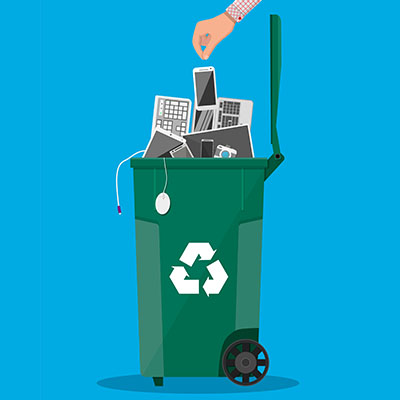
In the post Prime Day space, you might realize that you have purchased quite a few consumer electronics from the web retailer, and if you did, we hope you found some great deals that you can write home about. But before you throw out your old devices in favor of the new, we urge you to think about the approach you are going to take, as improper recycling and disposal of devices could have negative effects on both the environment and your personal data.

E-Waste is a Problem

To illustrate how e-waste can quickly become an issue, consider just how quickly society as a whole replaces devices they own. Most adult humans in the world have a smartphone these days, and that’s not to mention that they also have laptops, desktops, appliances, and other devices they use throughout the day. When new models of devices with better, more dynamic features are released, the natural reaction is to upgrade and replace the old with the new.

Despite the ongoing pandemic having decreased spending on electronics, as well as the ongoing consumer electronics shortage caused by supply chain issues, there will always be more opportunities for people to purchase new devices while failing to throw out their old devices in the process. These devices, when they aren’t properly recycled, can find their way to landfills in third-world countries where they accumulate into massive piles of toxic e-waste.

Consider what these devices are made of; with valuable metals in their components like gold, copper, iron, silver, and platinum, as well as harmful chemicals found in their batteries like mercury, lead, and cadmium. These devices are a nightmare to the environment—especially in as large a quantity as those found in landfills.

Make Sure to Wipe

E-waste is bad for the environment, but many people who throw away their devices simply aren’t aware of the vast amounts of personal data that can be found on them. People will throw away devices without first considering what they have used it for in the past, which passwords or other personal data may have been saved to them—information that the right hacker could sell to the right criminal for just the right price. To keep this from happening, we recommend that you wipe all data from your devices prior to their recycling. In many cases, the only way to be sure of a wipe is to completely destroy the hard drive, rendering it inoperable and unrecoverable.

Need a Hand?

Properly disposing of your old electronics can be challenging on your own, so we recommend working with professionals like NuTech Services who can help you ensure that your company’s devices are properly wiped before they are discarded. We can also help you locate a place to recycle your devices so that they don’t contribute to the proliferation of e-waste in landfills all over the world.

For more information on what you can do to be part of the solution to e-waste, contact us at 810.230.9455.

surgeProtector_28843708_400.jpg

Outlining the Differences Between a Surge Protector and a Power Strip

surgeProtector_28843708_400.jpg

When it comes to business technology, there are sure to be a lot of electrical plugs, so you’ll naturally want plenty of outlets to plug them into. A power trip likely won’t cut it, though. For your needs, you’ll want to invest in a surge protector. Why is the surge protector so much better, you ask? Well, let’s explore this question.

The Big Difference Between Power Strips and Surge Protectors

At first glance, the two devices seem quite similar. Some might even call them glorified extension cords with additional outlets. It should be straightforward what they are used for, but it’s a little more complicated than that.

The difference is in its name.

Surge Protectors Protect Against Surges

Power surges are commonplace, and as long as people continue to manipulate electricity, there will always be a risk involved with its use. Surges can cost businesses untold amounts of money, for if electronics receive an influx of electricity that they are not prepared for, they can be damaged–often irreparably.

You want to avoid this whenever possible, which is where the surge protector comes into play. A surge protector keeps these surges from damaging your electronics, while a simple power strip lets them pass right through.

Surge Protectors Are Better Investments

If you want to make sure that your IT systems are set up in a way that minimizes the possibility of a power surge or other disaster, NuTech Services can help you acquire the appropriate technology and set it up effectively. To learn more about what we can do for your company, reach out to us at 810.230.9455.

brainTechnologyInnovation_258774763_400.jpg

Use Automation to Improve Operations

brainTechnologyInnovation_258774763_400.jpg

The difference between productivity and innovation is not always clear-cut, but the biggest one is that higher productivity naturally creates innovation… assuming it is supported by the right tools and mindset. How can technology help your business be more creative and innovative in the way it goes about its day-to-day operations?

If the pandemic has taught us anything, it’s that there is great value in operational freedom, and both employees and employers want to have their expectations met. What can we expect from these new circumstances we find ourselves in?

It Takes Action to Produce Results

Ultimately, it’s productivity that most workers, departments, businesses, and industries will be looking to for a measurement of success. If your employees are more productive, then your business will be more productive as a result. Technology is crucial in facilitating this vision of better performance across your organization.

The right technology can make a world of difference if it’s implemented appropriately. Take the CRM tool, or customer relationship management. A CRM can help your team make spades in productivity by automating much of the sales or marketing processes that might normally be assigned to your staff, like customer interaction, collaboration, and so on.

Now, if your team doesn’t have to spend all of that time on those tasks, then they won’t have to work as hard to manage or maintain these relationships, freeing up even more time to focus on other tasks that can generate profit. A CRM automates many tasks that would normally grind the workday to a halt, and it can help to achieve a more efficient workflow, just like productivity suites or cloud-based platforms.

The cloud in particular can also create opportunities for your organization to expand its operational flexibility, as these resources can be accessed anywhere, anytime, and at a fraction of the costs associated with in-house hosting, management, and maintenance. If you have not considered the cloud for your needs, we strongly encourage you to do so.

Technology Creates More Opportunities

Even with new opportunities opening up as a result of technology, some companies are finding it harder to innovate. Small businesses need to use every opportunity at their disposal to make changes for the better at their organization, including new technology solutions. There are plenty of tools out there that can make all the difference to help your staff be more productive and efficient with their time.

Consider how much time and effort your staff are required to invest into the guidelines and procedures you have for your company. If it’s exhausting for you, then it’s exhausting for them—especially if the processes are not simple ones. You can make them more streamlined and effective, allowing your team to more easily manage their schedules and communicate with each other in better, clearer ways. If you can free up time for your employees, then you can make their lives so much easier. Here are three ways you can make this happen:

  • AI chatbots: You can invest in better support options to assist your clients in getting the help they need. When you implement an AI chatbot, you are essentially giving your clients more support, which is never a bad thing. Plus, if the bots are capable of handling most commonly-asked questions, imagine how much time this saves for your other, non-bot employees.
  • Internet of Things: You can eliminate unnecessary costs through the use of the Internet of Things. With connected systems, you can control your HVAC system, lighting, thermostats, and so much more, including inventory and asset management. You can then reinvest the savings into other areas of your business.
  • Data insights: You should be able to use your data to create opportunities for action. There are analytics systems and business intelligence platforms that you can use to solve all kinds of problems using the data you collect and utilize on a daily basis. You can then use this data to make better, smarter decisions for your organization.

We know technology isn’t always the easiest thing to manage for your business, which is why we dedicate ourselves to helping small businesses get the most value out of their IT infrastructures. To learn more about what we can do for your business, reach out to us at 810.230.9455.

benefitOutweighsCost_111829472_400.jpg

Know How Much is Needed to Ensure Your Business’ IT

benefitOutweighsCost_111829472_400.jpg

It’s fair to say that, across the board, times have been particularly tough as of late for businesses. On top of businesses having to fight through the socioeconomic crisis created by the COVID-19 pandemic and the supply chain issues, they also have to juggle more data than ever.

In short, businesses need reliable and cost-effective ways to manage their critical technologies.

Managed Services Can Provide Modern Businesses with a Reprieve

Pardon me for asking about your financial situation, but how are you currently paying for your IT services? Is your current strategy sustainable over time? If yours is one of the many businesses who answer the first question with “on a case-by-case basis,” the answer to the second is almost certainly a resounding “no.” 

The issue with pay-as-you-go IT services is that there’s no motivation for the provider to solve issues in the long term.

Think about it—when a company’s bottom line relies on your IT having issues every now and again, it goes against their best interests to prevent them. After all, if you don’t need them on a fairly regular basis, their business model collapses.

Managed services, on the other hand, are designed to take the opposite tack. Rather than charging on a per-case basis for each issue you encounter, the all-inclusive nature of managed services ensures that your business is covered by a comprehensive agreement. So long as it falls under this agreement—and most things do—we’ll take care of it on your behalf.

This Predictability is Something that Today’s Businesses Need

As we’ve established, today’s times are uncertain—for many of us, in a way that is unprecedented in our memories. With this uncertainty, business can become far more challenging to maintain.

However, the predictability that our managed services can provide to what is commonly the most volatile part of a business’ budget makes it far easier to keep your business in the black. By eliminating the potential of a lot of the issues that would otherwise incur severe costs, managed services put your business in the position to succeed.

Reach out to us today to learn more about our managed services, and what it takes to implement them. Give us a call at 810.230.9455.

ideaGenerationInnovation_483715593_400.jpg

Is Innovation Slowing to a Point of Concern?

ideaGenerationInnovation_483715593_400.jpg

Innovation is a driving force behind business, and it has been for essentially the entirety of human existence. The pandemic has brought about an era where businesses are producing solutions that have many new features, but these features don’t necessarily enhance or add anything to the customer experience. Let’s examine how this desire to stay profitable flies in the face of true innovation and doesn’t provide useful or practical products to consumers.

First, let’s take a look at what are known as upstream and downstream activities. Upstream activities provide businesses with the ability to create and produce goods or services, and they include gathering staff, resources, and logistics. Downstream activities are those that go into the facilitation of creating a product or service, as well as what goes into selling them.

Upstream Issues Complicate Things

As a result of the global pandemic, many organizations experience shortages and inconsistencies with their supply chains, making it difficult to procure equipment or components to produce quality products. Additionally, “the great resignation,” did not help at all, solidifying many peoples’ decisions to leave their jobs over health and safety concerns, issues of pay, and straight-up burnout. With so many moving parts in place, it’s no wonder some companies struggle to manage operations.

It’s not easy running a profitable business, as building better processes and hiring top talent requires funding that you might not necessarily have. Enterprises have an easier time with this, as they have more resources at their disposal for research and development, but small businesses need to find ways to keep up, or their return on investment suffers.

Marketing Taking the Place of Consistent Innovation

There is always money to develop and research products, especially when compared to the amount of funds typically designated for marketing and advertising. The latter is generally one of the smaller items on the SMB budget list. To stay competitive and to keep things fresh, SMBs have to grow their offerings, but the trick comes in how they do so. Enterprises can make do by spending extra on development and marketing of products, but SMBs often find themselves in the impossible position of spending money they don’t have to develop new products or to focus on what has brought about their current level of success.

With the costs of business increasing ever-higher, SMBs are trying to make up for the lack of innovation through marketing and advertising campaigns. Furthermore, SMBs are spending less on the sales processes and administrative costs of maintaining operations, like IT and HR, something which leads to shortcomings in processes and talent acquisition that is detrimental to their success.

People are Paying More for Less

Ultimately, what these trends lead us to notice is that consumers are paying more for less. Eventually, this trend will lead to products or services no longer being viable for customers purchasing products from SMBs, as the price point increases while the value proposition remains the same. SMBs depend on the customer-first mindset, and without the funds to make sure this happens, their customers and even their workforce might not stick around to see what the future holds.

How We Can Help

You may have noticed that the IT costs for small businesses have started to rise, so now it’s time to ask yourself if you are getting what you pay for. NuTech Services prides itself on reducing your technology costs and expenses, and it’s all thanks to our managed IT service model. We can monitor and maintain your technology so you can focus on operations and providing value to your customers. To learn more, reach out to us at 810.230.9455.

documentManagement_478377183_400.jpg

A Document Management System is a Handy Business Utility

documentManagement_478377183_400.jpg

Businesses must often store documents for the purposes of compliance, but anyone who has managed a document storage system that uses physical documents, like filing cabinets or otherwise, knows that it can get a little complicated and messy. Technology offers better alternatives that make things easier, efficient, and most important of all, more secure.

A document management system (DMS) can be used by just about any business to replace the aging filing cabinet. You won’t need to handle physical documents any longer, instead opting to scan them and store them in a secure database. DMS gives your business much greater control over documents by providing dynamic options to help you efficiently and securely store and share them with others at your organization. 

Let’s take a look at some of the ways a DMS can aid your business’ document storage efforts:

Improving Compliance

Considering the current state of compliance, there’s a good chance that your business needs to adhere to at least a handful of them. These regulations are often complex and almost always require data security. It can get expensive to secure physical documents in a way which complies with these regulations. Document management systems, on the other hand, provide a secure platform that strictly adheres to these regulations while improving transparency and control over the files stored in it. If you use a more complex DMS, you might also have capabilities to show visual data flow for documents, something that backs up your claims of compliance in the face of an audit.

Improving Data Security

DMS provides a safer alternative to your traditional filing cabinet allowing for better protection against theft. DMS offers additional layers of security and control that you just can’t get for physical documents. A cloud-based DMS is maintained and managed by a provider, and as such, it is protected by their own security team. Furthermore, in case of an emergency or disaster, the data is made available to your remote teams, allowing for productivity and redundancy that you don’t get from physical documentation.

Saves You Money

Even if it doesn’t appear to, printing and file storage do have large costs. Consider how much you spend on printing for all of your important documents, then double that so you have backups in place, too. When you think about the fact that it can cost almost $20 to file one document and over $200 to reproduce it, you might realize that eliminating these expenses is the right call. DMS allows you to reduce these costs and make your files more accessible in the process.

Enhances Organizational Productivity

The biggest return on your investment will by far be in the realm of productivity, as you no longer have to waste countless hours sifting through filing cabinets to find physical documents. You can easily locate and share documents as needed with anyone on your staff who needs access to them. Imagine all of the ways you can better use that time to your organization’s benefit!

NuTech Services can help you implement a DMS that works for your particular needs. To learn more, reach out to us at 810.230.9455.

legalIT_286869333_400.jpg

Technology for the Modern Law Practice

legalIT_286869333_400.jpg

It’s important that attorneys have access to the important information and tools needed to enable them to do their jobs. When they can do so easily, they are able to bring in more revenue, take on more clients, and provide better services to their clientele. What kinds of technology do lawyers need to improve their practices?

First, it helps to have a bit of context for how the pandemic has changed operations for lawyers. Legal services are popular, sought-after services, but the pandemic forced many lawyers to go virtual. Now, what started as a trend might be a more permanent shift, and the following technologies are what will enable lawyers to do their work more effectively in a virtual capacity.

Document Management and Automation

Document management is a must-have technology for law offices, as paperwork is an incredibly important part of practicing law. Document management and automation tools can effectively streamline document creation, as it can capture and populate templates utilizing information already provided. It can provide a solution to search, view, and edit documents, and every transaction comes complete with documentation, something which is critical to the law practice. We can help you build a document management system for your law firm so you can always keep the files needed on-hand and available on your devices.

VoIP Enabled Video Conferencing

VoIP has gone from being an emerging technology to a vital one, meaning that it’s silly to not use it in comparison to the other solutions out there. It gives your business one more way to make the most out of its Internet connection, and there are so many other great features available through it too, like video conferencing and other communication tools. Video conferencing is particularly important, as more people are wanting to meet virtually than ever before, and it only provides your law practice with even more flexibility and options. Many video conferencing tools have VoIP built right into them, and the best solutions are those that are secure and easy to use with high-quality video and audio. There are even options that include end-to-end encryption.

Scanners

Data entry is also crucial to the success of any law firm, and those in small practices might struggle to keep their files in order. With a digital repository for these files, it can be easier and more secure to manage the various documents. Scanners can be used to input data in this way. Depending on the solution, you can either go all-out with a flatbed scanner or use handheld scanners that won’t cost your business an arm and a leg. Even modern printing solutions often come with scanning solutions your business can use for this purpose.

Mobile Devices

Mobile devices are quite useful for professionals, but in the law field, they can completely change the dynamic of the profession. They provide access to applications built specifically for attorneys while also providing access to documents, communication, and data storage. Smartphones and tablets are popular tools for modern law firms.

To keep your law firm ahead of the competition, we recommend you reach out to NuTech Services. We can help you assess your current technology practices and suggest ways you can improve them. To learn more, reach out to us at 810.230.9455.

businessAI_230165737_400.jpg

Small Businesses are Starting to Embrace AI

businessAI_230165737_400.jpg

Artificial intelligence has several uses in the business world, many of which utilize machine learning. With greater access to this technology than ever before, small businesses have more opportunities to grow as a result. Let’s go over how SMBs can utilize AI, including how to get started with it.

How Can Today’s Small Businesses Use Artificial Intelligence?

AI is flexible in its design, intending to mimic the cognitive processes of the human brain. Essentially, it is software that can follow patterns and establish its own learning and reasoning processes to solve problems. This is why it’s so useful for small businesses. Here are some ways it can improve operations for SMBs:

Enhancing Cybersecurity

Your employees likely have a routine that they follow, and this routine is what makes their work responsibilities consistent. AI can use data to make predictions, a process which aids in cybersecurity and productivity. AI can take note of a user’s account and showcase when it’s doing something out of the ordinary, like logins at times when the office should be closed or from strange locations around the world. It can also tell if employee behavior is at odds with your security efforts.

Optimizing Customer Service

Businesses prioritize customer service, but the unfortunate fact is that it can be time-consuming. This time is often better spent on other processes and needs. AI systems can aid in customer service through the use of automated chatbots, providing customers ways to get the answers they need, when they need them. This removes some of the burden off your workforce and might just give them time to perform other tasks. Furthermore, it’s a great way to collect data about what your customers want and need.

Finessing Customer Relationships and Marketing Efforts

It takes a lot of effort to sift through the data and insights gathered during the customer relations and marketing aspects of your business, and digging through this data can be an incredibly time-consuming and resource-intensive process without the use of AI. AI can examine this data and make conclusions based on it. You can then use these conclusions to make the most educated decisions possible for your organization moving forward.

Artificial Intelligence is More Accessible Than Ever

If you want to learn more about machine learning and other ways technology can make your business’ operations better, reach out to NuTech Services at 810.230.9455.

productivity_204411261_400.jpg

The Keys to Remote Worker Productivity

productivity_204411261_400.jpg

Remote work has only grown more popular with time, to the point where it is now common for employers to offer it in some capacity. While the pandemic may have expedited this shift, it is clear that remote work has become a new normal in some industries. Today, we thought we would address one of the hot-button issues about remote work: keeping your staff engaged and productive.

Engagement is More Than Production

First, you need to understand that remote employees often do better work much faster while they are in the comfort of their own homes. It’s simply a fact that people take less time to do the same tasks they would do in the office while working remotely, and since they don’t need to consider other variables that they normally would when leaving the house, they can get right to work.

It’s also important, however, to acknowledge that there might be more distractions in the home environment compared to the workplace. While it might seem they are a little less productive, we recommend sticking to the key performance indicators as a clear metric for how productive they truly are.

To shed some more light on this sticky situation, here are three factors that you can use to ensure that your employees are engaged with their work, and therefore, productive throughout the workday.

You Still Need Culture

Your company culture is much more than the incentives you offer; it’s also how you treat your employees. A remote team might feel like they are pushed aside or lurking along the sidelines rather than being a part of the team, so you need to do what you can to engage them and work toward that sense of belonging. Shared goals and interests can connect people and encourage them to work better together.

One way you can engage your remote team is to use your collaboration tool for a little bit of fun, like adding a “just for fun” channel where the team can communicate, share stories, memes, jokes, and so on. You could also set up an optional meetup for your team to just hang out in a virtual space to talk about whatever happens to be on their minds. Basically, the idea is to normalize the idea of working from home so that they don’t feel so disconnected from what’s going on in the office.

Get the Right Tools

All that said, none of this is possible without the right kind of collaboration software. There are plenty of solutions on the market that utilize different technologies to promote an inclusive work environment. From collaboration software to video conferencing, or even just a simple instant messaging platform, you might be surprised to see just how much of a difference it can make.

Provide Emotional Feedback and Support

Believe it or not, working from home can add quite a lot of stress and pressure to workers. Some simply handle it better than others. Keeping your communications organized and efficient can be a major way to take some of the stress out of their day-to-day responsibilities. You want your employees to know that they are people, not just a square in a Zoom meeting or a number on the other end of a VoIP channel. Maintaining regular communication and offering timely, constructive feedback is incredibly helpful to ensure that your employees stay engaged, productive, and happy.

It’s not always easy to manage a group of remote employees, but with the right tools and practices, you can take a lot of the challenge out of it. To learn more about how you can do so, reach out to us at 810.230.9455.

VideoConference_272103367_400.jpg

The 5 Essential Features to Seek from a Conferencing Platform

VideoConference_272103367_400.jpg

These days you’d be hard-pressed to find a company that is not equipped to handle video conferencing in some way. The pandemic led many organizations to adopt these platforms, and as a result, these platforms have seen a dramatic increase in functionality and capability. We’d like to discuss some of the best features that your organization can take advantage of with video conferencing solutions.

Features to Seek Out in Your Video Conferencing Platform

VoIP and Chat Functions

When it comes to conferencing, the name of the game is communication. Your conferencing platform should have as many methods of keeping up communication as possible. Some conferencing solutions have Voice over IP telephony service bundled with them, and others might include various other mediums.

Many conferencing platforms also have built-in chat functionality, creating additional opportunities for participants to engage with presenters and other attendees. By knowing which features your solution is already capable of, you can make better decisions about how to get the most out of it moving forward.

HD Video Recording

Video conferences are made much more enjoyable when you can see each other clearly and communicate effectively. It stands to reason that your conferencing platform should allow for HD video. Opting for such a solution will simply make the meeting that much more enjoyable for everyone involved, which will lead to better engagement.

Some meetings should also be recorded so that the material can be reviewed at a later date. To make sure this can happen, we recommend that your video conferencing tool accommodate unlimited recordings of meetings that can be stored in the cloud for later use.

Screen Sharing

One of the most effective things you can do during a meeting is share your screen, especially if you are presenting information to your audience. If you select a video conferencing software which allows you to share your screen, you are basically opening the floodgates to more informative and engaging presentation opportunities.

Reach Out to Us for Assistance with Selecting Your Conferencing Platform

If you’re unsure of which solution is right for your business, NuTech Services can help. To learn more, reach out to us at 810.230.9455.

Innovative_tech_175461355_400.jpg

A Lot of the Tech We Use Today Was Once Science Fiction

Innovative_tech_175461355_400.jpg

When it comes to innovative new technologies, look no further for inspiration than good-old classic science-fiction and pop culture. You might be surprised by how many concepts first seen in works of fiction have made their way into our day-to-day lives. Let’s take a look at some of the more noteworthy examples.

Mobile Phones/Smart Watches, Inspired by Dick Tracy

Mobile phones are commonplace nowadays, as are the wearables that connect to them. These technologies first appeared in the 1930s and 1940s serialized comic Dick Tracy, in which the series’ namesake detective uses a watch as a two-way communicator to work with the authorities.

There is a modern myth about the USS Enterprise inspiring the idea of the modern cell phone, but the creator of the first mobile phone, Martin Cooper, corrected himself, citing Dick Tracy as the primary source of his inspiration.

3D Printing, Modeled After Star Trek

The replicators used in Star Trek are remarkably reminiscent of the modern 3D printer. While modern 3D printers build materials out of a computed pattern to create an item, the ones in Star Trek used rays of light to shape their objects. One such device does exist, and the creators of this 2019 device cite Star Trek as the clear inspiration for its creation.

Tablets, First Appearing in Star Trek

Remember when the iPad first burst onto the scene in 2010? The device itself was inspired by the PADD from Star Trek, the Personal Access Display Device. It was a handheld device used by the Starfleet crew to access various types of information, just like the modern tablet.

Honorable Mention: 2001: A Space Odyssey

And let’s not forget the device that blocked Apple’s attempted copyright of their tablet’s form factor, the device appearing in Stanley Kubrik’s 2001: A Space Odyssey. Thanks to the existence of this film, Apple’s attempt failed.

Self-Driving Vehicles, As Seen In Total Recall

Douglas Quaid, the main character of 1990’s Total Recall, used an automated taxi cab to run from his pursuers. Though the device had to be manually taken over eventually, the idea for self-driving vehicles was certainly present here.

Digital Audio (Specifically, the MP3) Inspired by Star Trek

MP3 files might not be as popular as they were a decade ago thanks to music streaming services, but when they first appeared in Star Trek: The Next Generation, you can bet people were inspired to make them a reality. The inventor of the MP3 file format, Karlheinz Brandenburg, cites a particular scene as giving him the idea. The scene in question is when an android named Data listens to four tracks written by four composers, then slowly turns off each track in succession.

The Defibrillator, Suggested by Frankenstein

In chapter five of her 1818 work—which many see to be the first piece of modern science fiction—Mary Shelley includes little detail about her fictional scientist’s process, but includes a telling quote in the fifth chapter:

“With an anxiety that almost amounted to agony, I collected the instruments of life around me, that I might infuse a spark of being into the lifeless thing that lay at my feet.“

Is this “spark” a spark of electricity? Who can say? In either case, it may have served as inspiration to create the modern defibrillator, a device which first appeared in 1930.

What other examples can you think of that might have been influenced by science fiction? Let us know in the comments below.

supply_chain_229477928_400.jpg

Businesses are Feeling the Impact of Supply Chain Issues
supply_chain_229477928_400.jpg

The pandemic forced businesses to reexamine the way that they operate, but even though the pandemic is, unfortunately, still ongoing, many have returned to conducting business as usual like they did before it began. One part of business that will not return to normal anytime soon is the supply chain, as these issues will likely persist into the future.

What is Your Supply Chain?

Your supply chain is the network of vendors your business works with to ensure access to products or services rendered. Your various vendors make up your supply chain. It doesn’t just include products, either; it can include activities, people, information, and other resources that let you maintain operations.

A supply chain is incredibly important to the continued success of your business. For example, if your organization makes shoes, then you need access to the materials to make said shoes, like leather, rubber, and otherwise. Another example is the computers you use to provide goods or services to your customers. If there are shortages in the supply chain or if products are unavailable, then your supply chain will be disrupted, which also means a disruption to your operations and a negative impact on your bottom line.

Why is the Supply Chain Having Problems?

There are several reasons why the supply chain is experiencing problems, one of which is the pandemic. People were forced to move essential employees off-site, meaning they needed the technology to make this happen. The pandemic placed a significant strain on the materials required to work remotely, and the goods needed to move entire workforces remotely could not keep up with demand. This is why certain components are hard to come by, even all this time later.

Additionally, there is a labor shortage in the form of crucial workers who make the supply chain work. Countless people have quit their jobs over the past year, including warehouse workers and truck drivers, both of which are essential to the supply chain, creating bottlenecks—which hamper it. The people in these positions are being asked to do more, and they quite simply can’t. These issues aren’t getting better; if anything, they are getting worse.

What Can You Do?

Here are some things you can do to keep the supply chain from impacting your organization to the extent it might otherwise:

Inventory Control

There are two parts of having effective inventory control. First, you’ll need to have an extensive list of your inventory so you know what you have on-hand at any given time. If you don’t, you might find yourself falling behind. The other part of inventory management is mitigating risk by building a surplus. While it’s not the ideal state of things, it’s the way we have to get through the pandemic supply chain problems.

Be Flexible

If you source specific components or products from a manufacturer, they may not have access to the same goods and services they had in the past. They will do their best to get you what you need, but there might be a chance they cannot fulfill the order. Therefore, you should be open to sourcing your products or services from alternative suppliers if necessary. While it’s great to have the established relationships with manufacturers, you also need to keep your needs in mind.

Use Technology

Technology can help make your supply chain problems less of an issue. Software can automate a fair amount of the inventory process, and the Internet of Things is also invaluable for letting you know which parts of your business might need to be addressed.

NuTech Services can’t control the supply chain issues, but we can help you address these challenges with complete and total transparency. To learn more about what we can do for your business, reach out to us at 810.230.9455.

communication_tools_125753703_400.jpg

Four Standard Communication Tools Businesses Should Embrace
communication_tools_125753703_400.jpg

Depending on the software your business uses, you might find yourself either struggling to collaborate or reaping the rewards of doing so. When it comes to collaborative integrations, there are many innovative options on the market. Let’s examine some of the best options you have available to you.

Standard Communications Tools

Most modern businesses offer their employees several different ways to communicate with other members of their staff, their prospective clients, and current customers. Depending on the solution, they can either be simple and seamless or complicated with larger price tags. Here are some of the most commonly utilized tools:

  • Email
  • Telephone
  • Instant messaging
  • Documents

Communications can generally be split into two categories: written and verbal. Businesses need to have solutions in place that can handle both aspects of communication. One of the most common written communication solutions is email, and you’d be hard-pressed to find a business that doesn’t use it.

Email

Thanks to hosted email solutions, businesses have access to dynamic tools that can help them send out messages in the most effective and efficient way. Most modern email solutions will use the following features:

  • Daily backup of emails
  • Virus protection
  • Encryption
  • Spam filtering
  • Synchronization
  • Push mail
  • Archival

These options give users all the features they will need to go about their day-to-day duties using email. Along with making the management of email easier, most modern business’ email systems have integration for additional features, like security, for example.

Instant Messaging

Thanks to instant messaging, businesses have access to faster methods of communication than email, but you should know that not all solutions are as effective as others. Some hosted email platforms might have them built right into them, while others might be standalone solutions. Regardless, IM systems are extremely valuable and helpful for businesses, and they are usually a part of a larger communication platform.

Documentation

Other written communication platforms that you might not have considered include written resources like pamphlets, white papers, and other documents. When employees have access to this type of documentation, they can go about their duties in an informed manner. Sometimes documentation and FAQs can save your organization precious time and resources.

Telephone System

The telephone has been an important part of business communications for a long time, but the traditional sense of telephony is dead in the water compared to Voice over IP solutions. VoIP can be hosted on-site or in the cloud, and it can offer plenty of great features that your traditional telephone system would kill to have, chief among them seamless video conferencing. Remote teams benefit so much from this feature, as it gives them a chance to throw together a meeting at a moment’s notice. VoIP as a whole is an exceptionally potent business tool that can save you money. Here are some of the features it can offer:

  • Automated attendant with advanced call management
  • Caller ID
  • Call queuing 
  • Call following
  • SMS and MMS integration
  • Mobile device integration
  • Analytics 

…And many more.

NuTech Services can equip your business with all the tools it needs to stay productive and communicative. To learn more, reach out to us at 810.230.9455.

automated_247132771_400.jpg

Automation Can Remove Your Business’ Training Wheels

automated_247132771_400.jpg

Automation as a concept is on the rise, and so too is its practice. Even before COVID-19 created considerable problems for several businesses, it was in use, and there is no reason for it to fall out of fashion now. There are plenty of ways your organization can implement automation to improve operations moving forward.

First, we need to define what automation is; then we can discuss how it can be utilized to your business’ benefit.

What is Automation in the First Place?

Automation is when you take the responsibility for a certain task off of an employee’s schedule and give it to a computing system to handle instead. Machines are now capable of handling certain tasks with incredible speed and efficiency, or at the very least, much faster and more efficiently than the average—or even above average—worker could hope to pull off. Thus, it actually benefits an organization to implement automation for this specific task. While this can save your business time and resources, it’s important to know if and when it is appropriate to automate tasks.

When is Automation the Right Move?

Generally speaking, the following signals could mean that implementing automated solutions for your specified tasks is the right call. Be sure to watch for the following:

Your Team is Spending a Lot of Time Moving Data Between Applications

The only thing worse than entering data once is entering it for a second or even a third time. These types of mind-numbing tasks, moving data from one location to another, can only be described as a chore. Automation can make this a thing of the past and save you countless hours. Just think of all the great things your team can accomplish with all of that saved time and effort.

The Task is Inherently Dull, or Detracts from Your Priorities

Mindless tasks are perfect to automate, as they can often take a lot of time away from your staff that could be better spent. Imagine how much time your business could save if these tasks were automated.

The Task is Endlessly Repetitive, Regular, or Both

How often do you have repetitive tasks that must be completed? If you can predict and plan the process out, you can automate that task.

We Can Help You Automate Your Business Processes

If you want to streamline your processes and make things more efficient as a whole for your business, NuTech Services can help. To learn more, reach out to us at 810.230.9455.

cloudMoney_36096705_400.jpg

The Cloud Makes Critical IT More Affordable

cloudMoney_36096705_400.jpg

Cloud technology has changed the way we do business, and it has provided countless opportunities for companies to achieve their wildest dreams. Granted, different businesses will use the cloud in different ways, but one fact remains the same: it makes financial sense to implement the cloud, no matter what type of business you are. Let’s go over some of the benefits.

Money Isn’t All the Same

When it comes to breaking down your business’ finances, there is more than one way to categorize them. Here is how you might typically look at investments for your company:

  • Capital expenditures: A capital expenditure is one that is typically quite high, and it is usually a one-time investment that can be used for many years to come. That said, it’s not really planned or budgeted for (although it should be).
  • Fixed-expense expenditures: These are predictable expenses for something which expires in the short term. For example, you might pay for advertisements or Software as a Service. The price will be independent of your sales, and the intent is usually to result in a sale down the line.
  • Costs of goods sold (COGS) expenditures: These expenses are directed proportionally to the revenue your business generates; the higher your COGS, the more money you are bringing in. This assumes that the ratios between COGS and revenue are low.

How These Expenses Relate to the Cloud

If we assume that you need a new data center, you might look at options for building one on-premises. While doing so might incur large sums of capital expenditures, it’s a one-time expense for its construction and maintenance, along with the costs associated with its upkeep. On the other hand, if you were to outsource management of a cloud solution to a managed service provider, it would be a fixed-expense model, as you are paying for a monthly fee that can be terminated or adjusted at any time as you see fit. Basically, you have to look at it in terms of what your organization wants and needs, particularly if you think flexibility and scalability will play into your cloud solution in the future.

NuTech Services can help your organization make these tough calls regarding the cloud. To learn more about what we can do for your business, reach out to us at 810.230.9455.